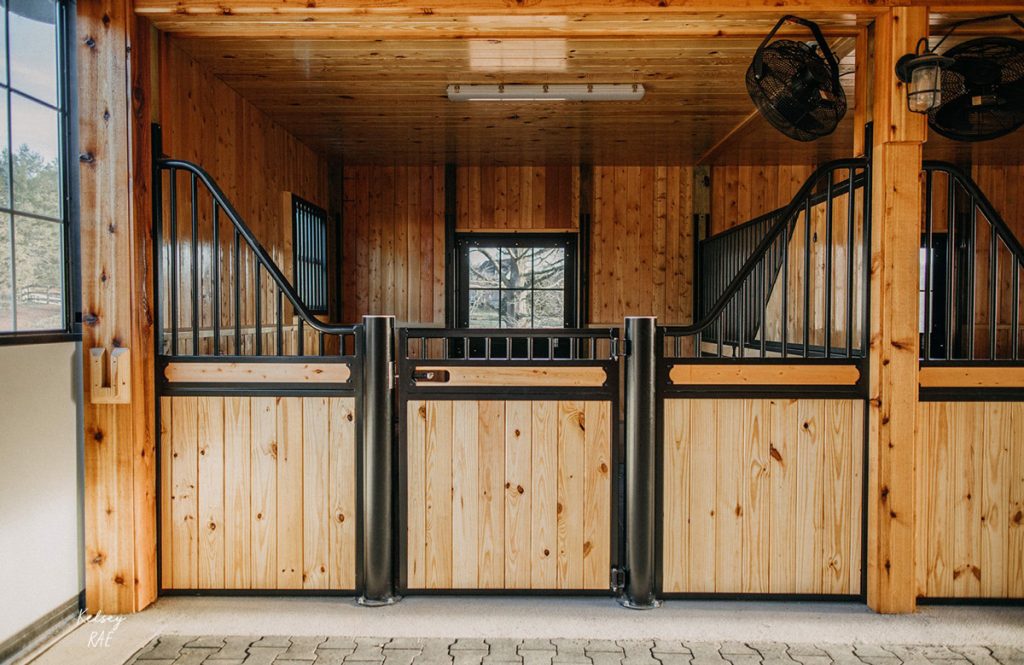
A good stall has three jobs. It must keep a horse safe, hold up to daily wear and still look tidy years after installation.
Owners who compare Summerdean Equine horse stalls for sale are usually looking for that balance. They want strong materials, sensible features and a design that will not feel dated in a decade.
Without a clear way to judge options, buyers often focus on looks alone. That can lead to weak hardware, poor airflow or stalls that need early repairs.
Start with Priorities
Instinct is useful, but it tends to favour what looks good in a photo. A simple checklist keeps safety and strength ahead of style.
- Choose smooth edges with no exposed bolts.
- Use latches a horse cannot open.
- Allow steady airflow through the stall front.
- Pick finishes that resist rust and moisture.
- Keep the design simple and easy to clean.
Safety First
This approach starts with how a horse moves, rests and reacts. In real barns, gaps, sharp corners and weak doors cause most injuries. The challenge is that safer hardware sometimes costs more upfront.
Strength Over Time
Here the focus is on materials. Steel frames, powder coated finishes and solid hardwood or composite boards handle kicks and chewing well. However, heavier materials can make installation slower and harder.
Lasting Visual Appeal
Classic designs age better than trendy ones. Clean lines and neutral finishes suit most barns for years. Buyers reviewing Summerdean Equine horse stalls for sale often find that simple styles also cost less to maintain. The limitation is that personal taste still varies, so not every owner agrees on what looks timeless.
Action Plan
- Measure the barn and each stall space.
- List safety needs for each horse.
- Compare materials based on durability.
- Choose a simple, classic design.
- Confirm hardware and latch quality.
- Inspect everything after installation.
Reality Check
Many owners struggle because they rush the decision. Common mistakes include choosing style first, ignoring ventilation and skipping measurements. Conditions also change. A new horse, a damp season or barn repairs can expose weaknesses that seemed minor at first.
Long-Term Improvement
Progress comes from regular review. Check latches, hinges and boards every few months. Note small problems early and fix them before they grow. Steady upkeep keeps stalls both safe and good looking over time.
Frequently Asked Questions
- Which material lasts longest? Powder coated steel paired with solid boards usually offers the longest service life.
- Do classic designs cost more? Not usually. Simple designs often cost less to build and maintain.
- How often should stalls be inspected? A quick check every few months catches most problems early.
- Does airflow really matter? Good airflow helps keep the stall dry and the air fresh.
A dependable stall is not the result of one perfect purchase. It comes from clear priorities, sound choices and steady care. Focus on doing each step well, and the results will hold up for years.